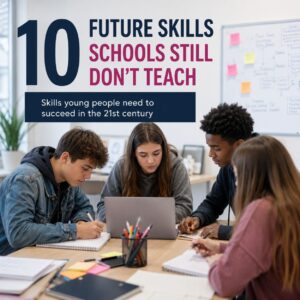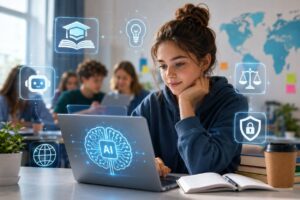
In a world shaped by rapid technological change, artificial intelligence, and digital communication, technical knowledge alone is no longer enough. Employers, educators, and researchers increasingly agree that social skills have become some of the most important competencies for success in both professional and personal life.
While schools often focus on academic achievement, many young people leave education without the communication and interpersonal skills they need to thrive in today’s world.
Communication builds opportunities
Strong communication is about much more than speaking clearly. It includes listening, expressing ideas respectfully, giving constructive feedback, and understanding different perspectives.
Whether participating in a job interview, working in a team, or resolving a disagreement, effective communication helps build trust and create meaningful relationships.
Teamwork is the new standard
Today’s challenges are rarely solved alone. From international companies to local community projects, collaboration has become essential.
Young people who learn how to cooperate, share responsibilities, and appreciate different viewpoints are better prepared for higher education, employment, and civic engagement.
Emotional intelligence supports success
Understanding emotions—both our own and those of others—is a key life skill.
Emotional intelligence helps young people manage stress, resolve conflicts, build empathy, and make thoughtful decisions. It also contributes to better mental well-being and healthier relationships.
Cultural awareness opens doors
Modern societies are increasingly diverse. Working with people from different cultures, backgrounds, and experiences requires openness, curiosity, and respect.
International learning experiences help young people develop intercultural competence, reduce stereotypes, and become active global citizens.
Confidence comes through experience
Social skills cannot be learned only by reading about them. They grow through participation, practice, and real-life experiences.
Youth exchanges, volunteering, community initiatives, international projects, and non-formal education provide safe environments where young people can build confidence, develop leadership, and discover their strengths.
Preparing young people for the future
According to many global employment reports, employers consistently rank communication, teamwork, adaptability, and problem-solving among the most important skills for future employees.
These competencies are valuable not only in the workplace but also in everyday life. They help young people build stronger relationships, navigate challenges, and contribute positively to their communities.
At RiseYouth Foundation, we believe that education should develop the whole person—not only academic knowledge but also the confidence, empathy, and collaboration skills needed to succeed in an ever-changing world. Through Erasmus+ projects, international partnerships, and innovative educational initiatives, we create opportunities for young people to learn by doing, connect across cultures, and develop the social competencies that will serve them throughout their lives.
Because while technology continues to evolve, human connection remains one of the most valuable skills of all.